For CTOs
Increase throughput without lowering the bar.
Give teams an AI delivery layer with visible plans, isolated execution, required tests and human-reviewed pull requests, not an opaque shortcut around engineering practice.
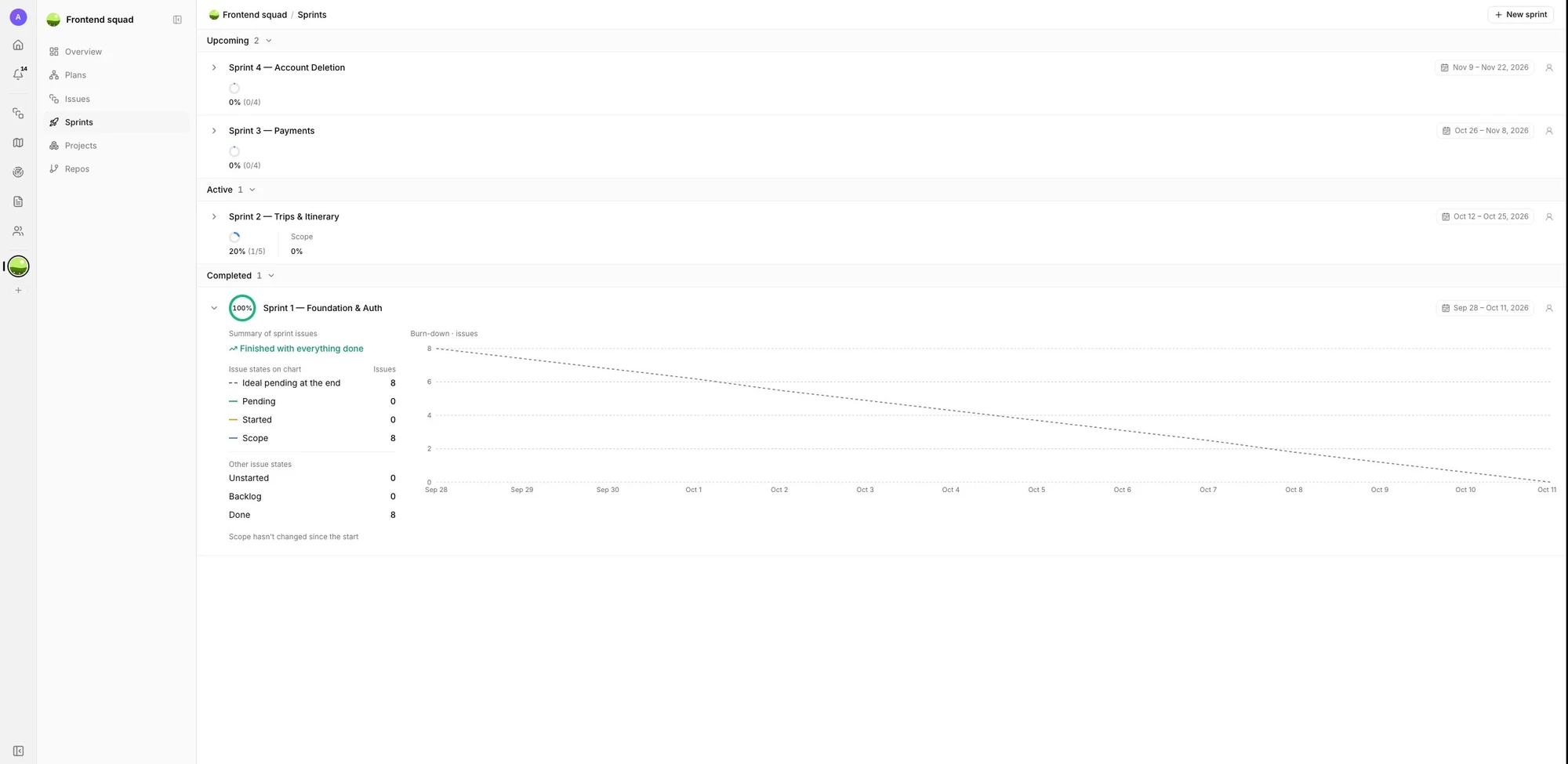
How AnedAI fits the way you work.
01
Standardize the path to code
Work begins from a connected intent and implementation plan. Every agent receives the same constraints, context and acceptance criteria before it touches the repository.
02
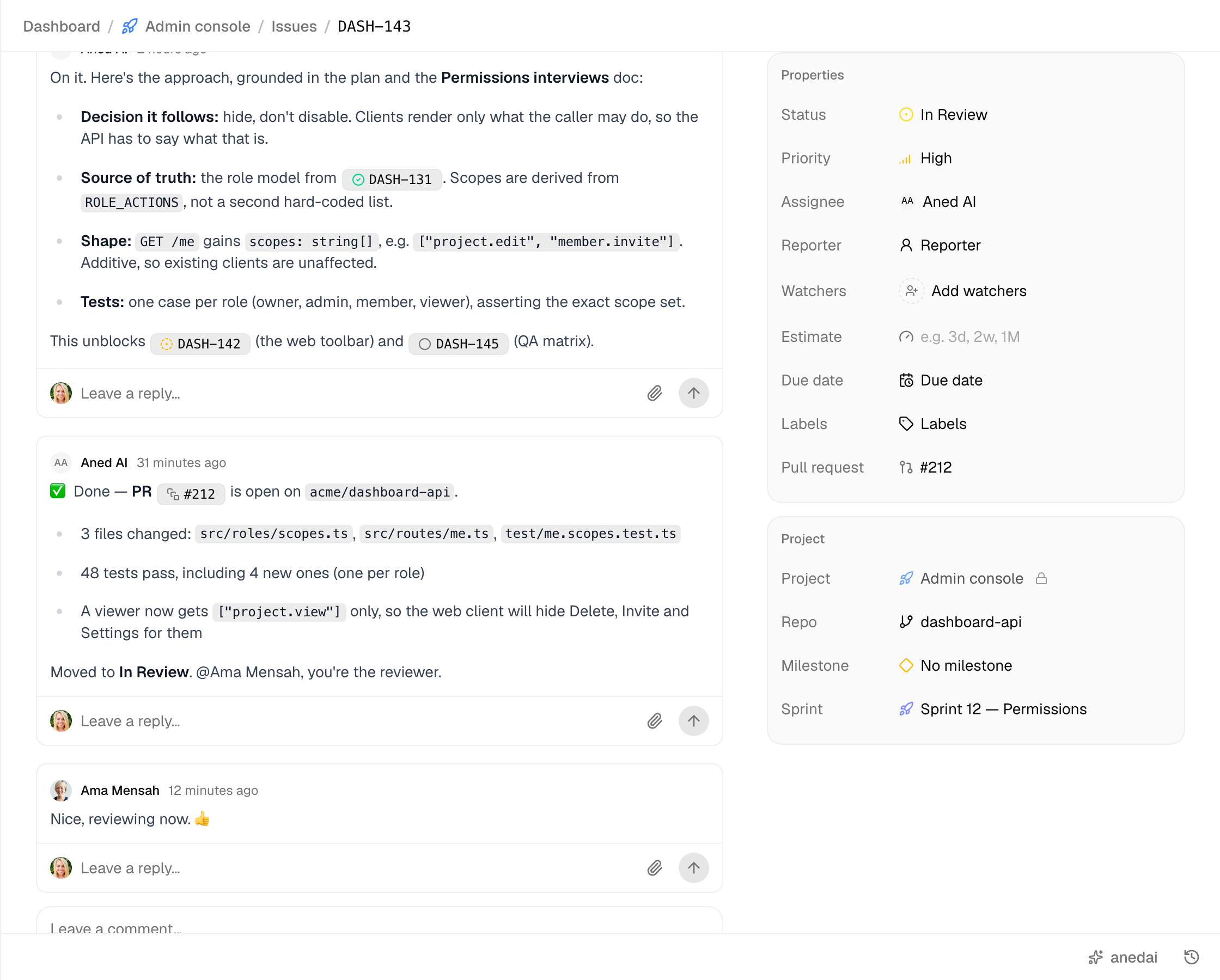
Keep execution contained
Each build runs in its own sandbox and follows the repository's checks. The output arrives as a reviewable pull request rather than an untracked production change.
03
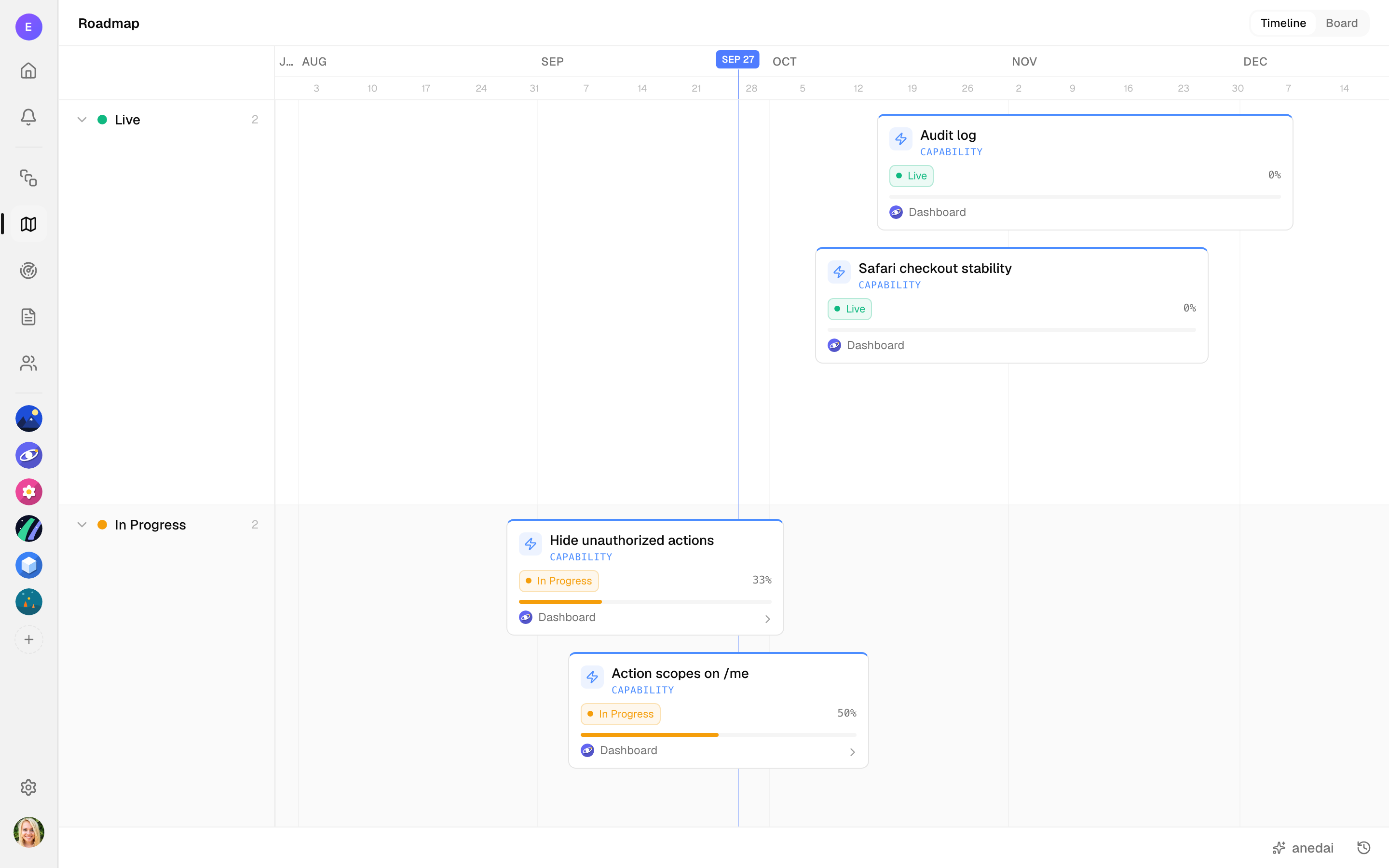
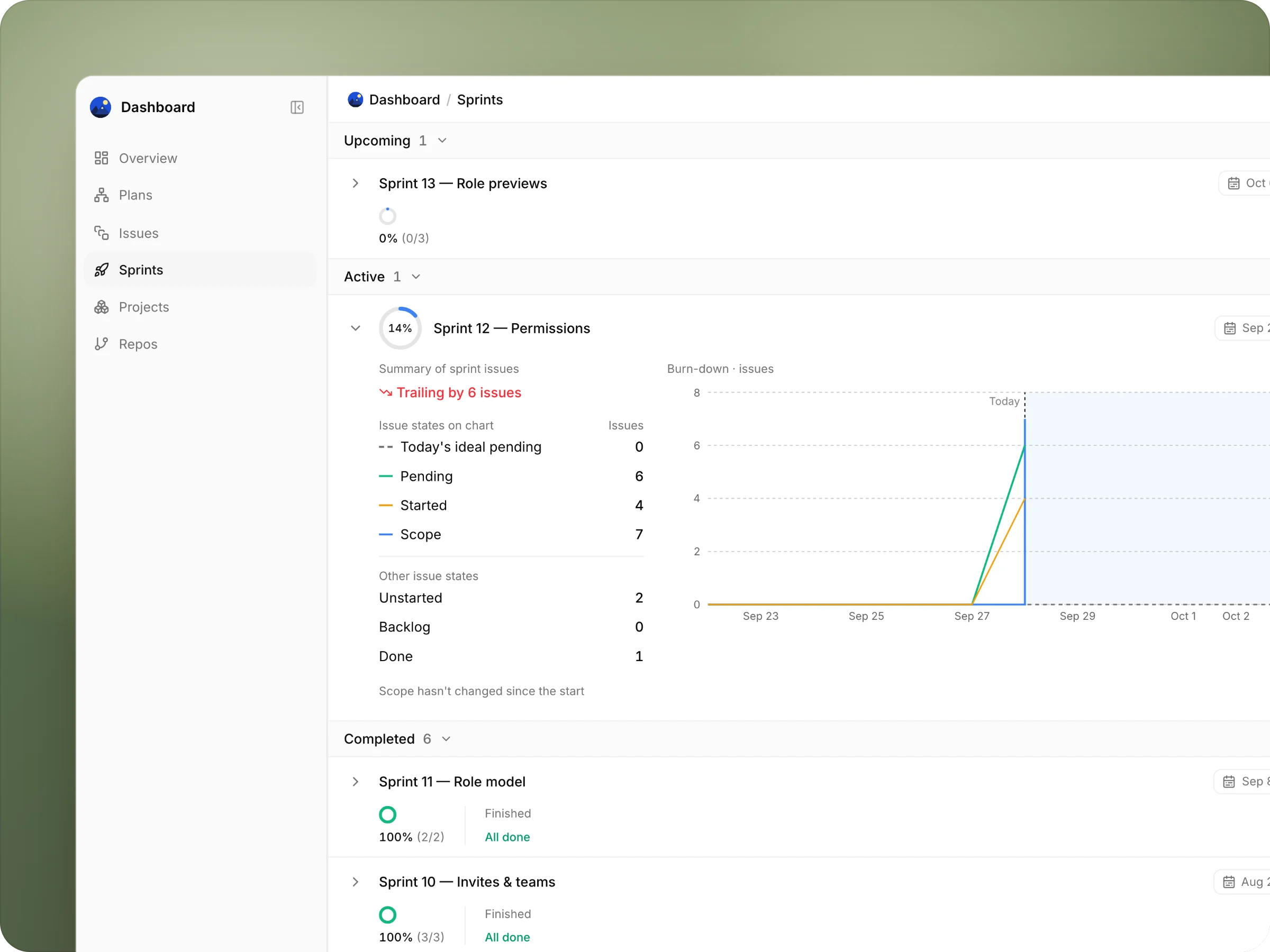
See delivery at every level
Trace from company intent to capability, sprint, issue and code. Leaders get portfolio visibility while engineers retain the detail needed to make sound decisions.


Ask AnedAI
Ask AnedAI instead of hunting through your tools.
The questions engineering leaders ask every week. Today each one is a hunt across tools. In AnedAI it is one question, with the sources attached.
Without AnedAI
 GitHubSearch the codebase
 ConfluenceRead the API docs
 SlackAsk each team
3 tools, and you still have to stitch the answer together.

@anedai What breaks if we change GET /me?
anedaiAgent
Three things: the web ActionMenu, the mobile admin route guards, and the rule that users only see what they can do.
- Contract: GET /me · scopes
- web
- mobile
One question one answer, with the sources linked.


Ready when you are.
Start with a bounded project and evaluate the complete plan-to-PR workflow.